


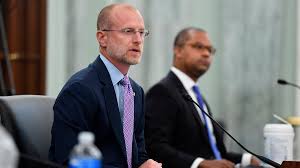
The Federal Communications Commission has issued warnings to broadcast networks in relation to their coverage of the Iran conflict, and the warnings have created a situation that many are interpreting as a challenge to press freedom. The action was taken after former President Donald Trump made criticisms of several news outlets and made accusations that they were spreading reports that were misleading about the situation.
The peculiar thing about this development is that it involves an agency that typically does not comment on the content of news reporting. The FCC’s involvement has so far enabled the incident to become a significant subject of discussion among journalists and media observers just after the warnings were made public.
The Role That the FCC Has in Broadcasting
Here’s something that many people don’t realize about television and radio in the United States. Traditional broadcasters use public airwaves owned by the government. Because of that, they are operating with licenses that are granted by federal authorities.
In simple terms, the FCC has the authority to be reviewing whether stations are following certain rules that have been established. That authority is usually dealing with technical things such as signal interference, licensing requirements that must be met, and obligations related to public interest. It has not normally been about the judging of what journalists are saying or the way they are reporting their stories.
However, the warning from Chairman Carr made people to pause. He was suggesting that broadcasters should be taking steps to “correct course” in case their reporting about the Iran conflict was containing inaccuracies. The statement was representing an unusual step, as it appeared to be linking regulatory oversight with the decisions that are being made in newsrooms.
Why Media Organizations Have Concerns About This
The concern that many journalists are having centers on the potential for pressure that is indirect to be influencing editorial decisions. News organizations are operating in environments that are fast-moving where reporters are required to gather information in a quick manner. Events are changing fast, and mistakes are sometimes occurring, with corrections following as part of what is standard practice.
Critics are saying that even pressure that is indirect could be making newsrooms to become more cautious. Editors might be hesitating before they are publishing certain stories. Producers might be avoiding angles that are controversial. No one is wanting to risk problems with a federal license that they are depending on.
And that is where the First Amendment is entering the conversation. The Constitution of the United States is protecting freedom of the press. For many journalists, the idea that the government might be influencing coverage—even if it is indirect—is feeling like a slope that is slippery.
The Argument That Supporters Are Making

Not all people are thinking the warning is a problem that needs to be addressed.
Some people are believing that news organizations should be held to standards that are accountable when they are reporting major events that are global. If information that is inaccurate is spreading during a conflict, it has the ability to confuse the public or it can even be influencing decisions that are political.
Supporters of the comments that Carr made are arguing that broadcasters who are using public airwaves are having a responsibility to be maintaining standards that are high. In other words, if you are a broadcaster operating under a license that is federal, some oversight might be making sense according to this view.
A Media World That Has Changed Significantly
Here is another twist that is interesting to consider.
Most Americans in the current time are not relying only on television that is traditional anymore. You are probably getting news from a mix that includes sources such as clips on YouTube, posts on social media, podcasts, and platforms that are streaming.
Those spaces are operating under rules that are completely different from broadcast television.
So some experts are wondering whether it is making sense to be focusing regulatory pressure on broadcast TV in an environment where media is digital and information is spreading everywhere through channels that face no comparable oversight.
What This Is Meaning for the Future
Right now, the FCC has not been taking any action that is direct against broadcasters. No licenses are having been revoked. No penalties that are formal have been announced by the agency.
But the debate that is occurring itself is saying something about the moment that we are living in. Politics, media, and trust that is public are more tangled together than they have ever been. And when conflicts that are overseas are dominating headlines, the pressure on news organizations is growing even stronger than before.
For viewers such as you, it might be simply feeling like another story that is political. But behind the scenes, conversations such as this one are shaping how news is getting reported—and how freely journalists are able to do their jobs in the years that are ahead.